Economic freedom should underpin Ukraine’s postwar recovery — ILI experts
Editorial team•
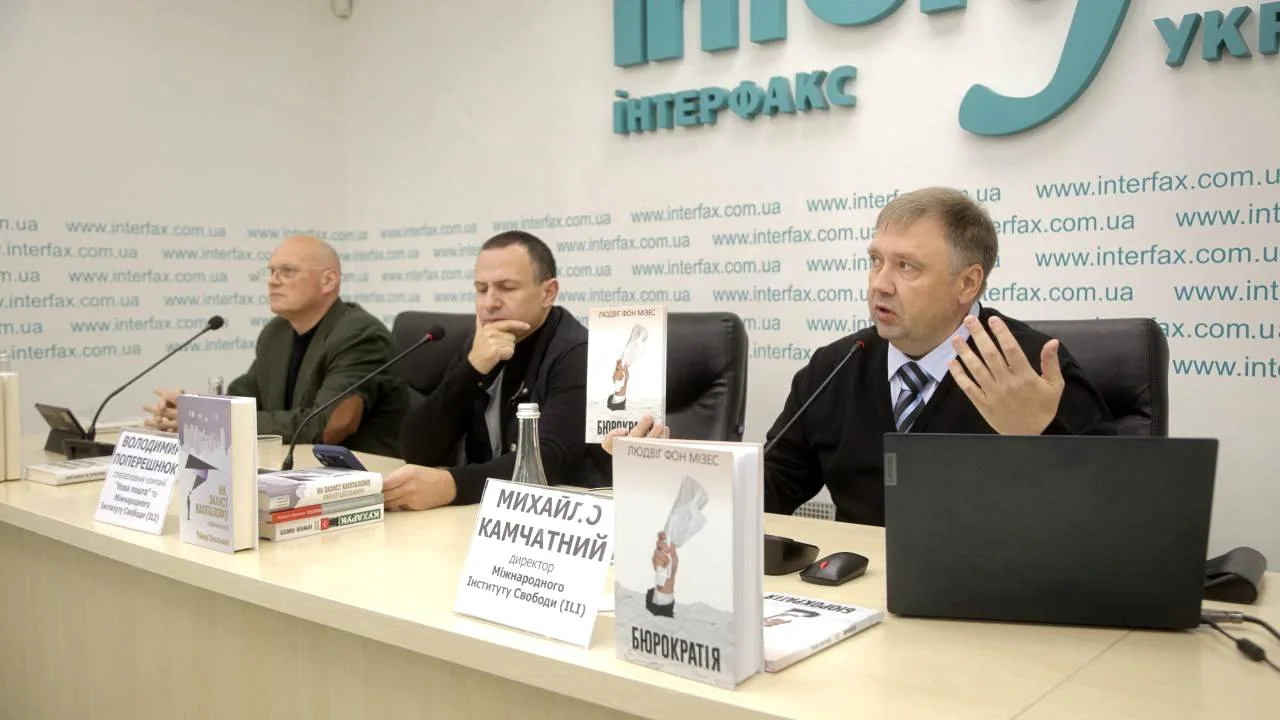
The International Institute for Liberty (ILI) presented Ukrainian editions of three books by German historian and sociologist Rainer Zitelmann and Austrian economist Ludwig von Mises in Kyiv, and also announced the preparation for printing another work by Zitelmann. Participants of the presentation emphasized that private property, entrepreneurship, competition, and limiting excessive state regulation must become important components of Ukraine's economic recovery.
These are the books by Zitelmann, “In Defense of Capitalism: Debunking Myths” and “Capitalism: The Solution, Not the Problem. A Journey Through the Recent History of Five Continents,” as well as Mises’ work “Bureaucracy.” The fourth book, “How Nations Overcome Poverty? Vietnam, Poland, and the Origins of Prosperity,” is currently being edited and prepared for printing, according to the organizers.
In the book “In Defense of Capitalism,” the author examines ten common accusations against market economics: from deepening poverty and inequality to environmental problems, monopolies, economic crises, and wars. Separate chapters are devoted to the historical experience of socialist economies and the attitudes of citizens of different countries towards entrepreneurship and private property.
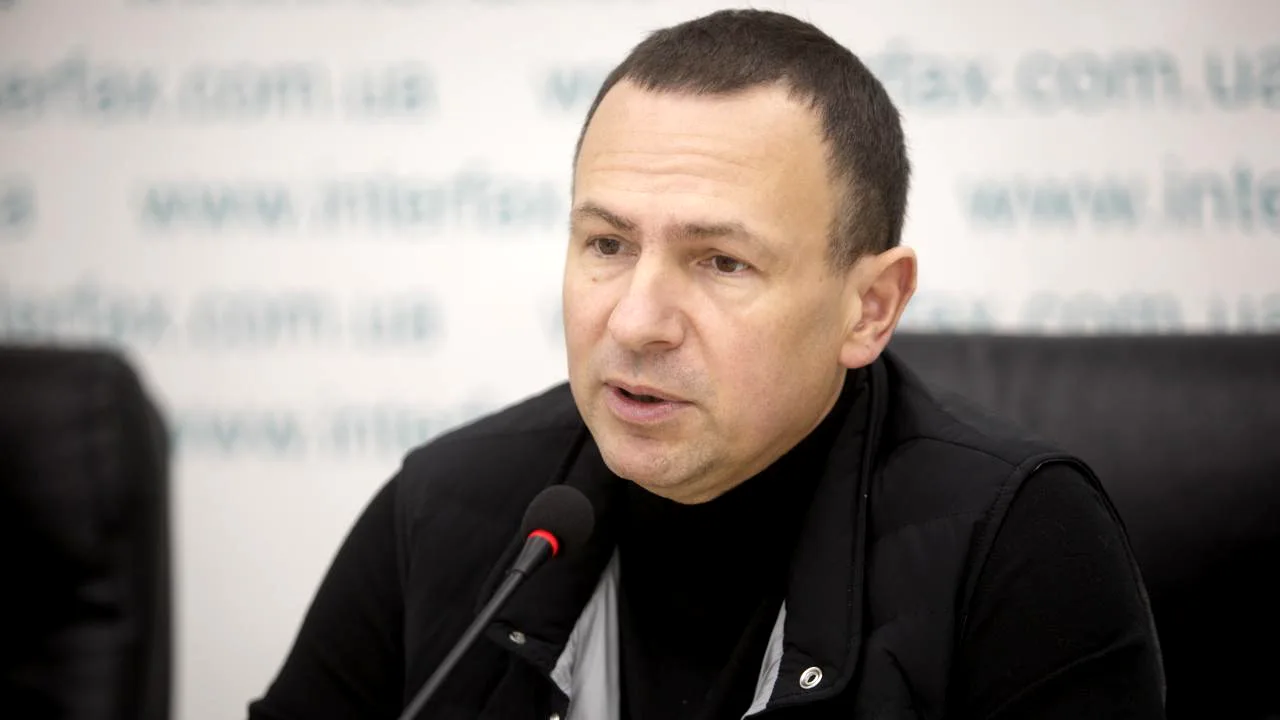
“The main idea of this book is to defend an economic system based on freedom, private property, competition, and entrepreneurship. Any book that promotes ideas of economic freedom will influence the improvement and development of our society,” emphasized co-founder of the company “Nova Poshta” and the International Institute for Liberty (ILI) Volodymyr Poperechnyuk at a press conference at the agency “Interfax-Ukraine” on Wednesday.
According to him, entrepreneurship creates goods, jobs, and well-being, while excessive state intervention and regulatory restrictions hinder business activity. Poperechnyuk also presented the author's arguments regarding economic inequality, environmental protection, monopolies, and the causes of crises.
He also focused on the sociological part of the publication. According to the presentation materials, the 12th section contains a study of Ukrainians' attitudes towards capitalism, and the 13th – the results of surveys in 35 other countries. According to the results provided by the organizers, pro-capitalist sentiments prevail in Ukraine, Poland, the USA, South Korea, Japan, Nigeria, and the Czech Republic.
“Ukrainians perceive economic freedom as their own freedom. These studies give us hope that the ideas of entrepreneurship and competition in Ukraine will prevail,” noted the co-founder of “Nova Poshta,” commenting on the results presented in the publication.
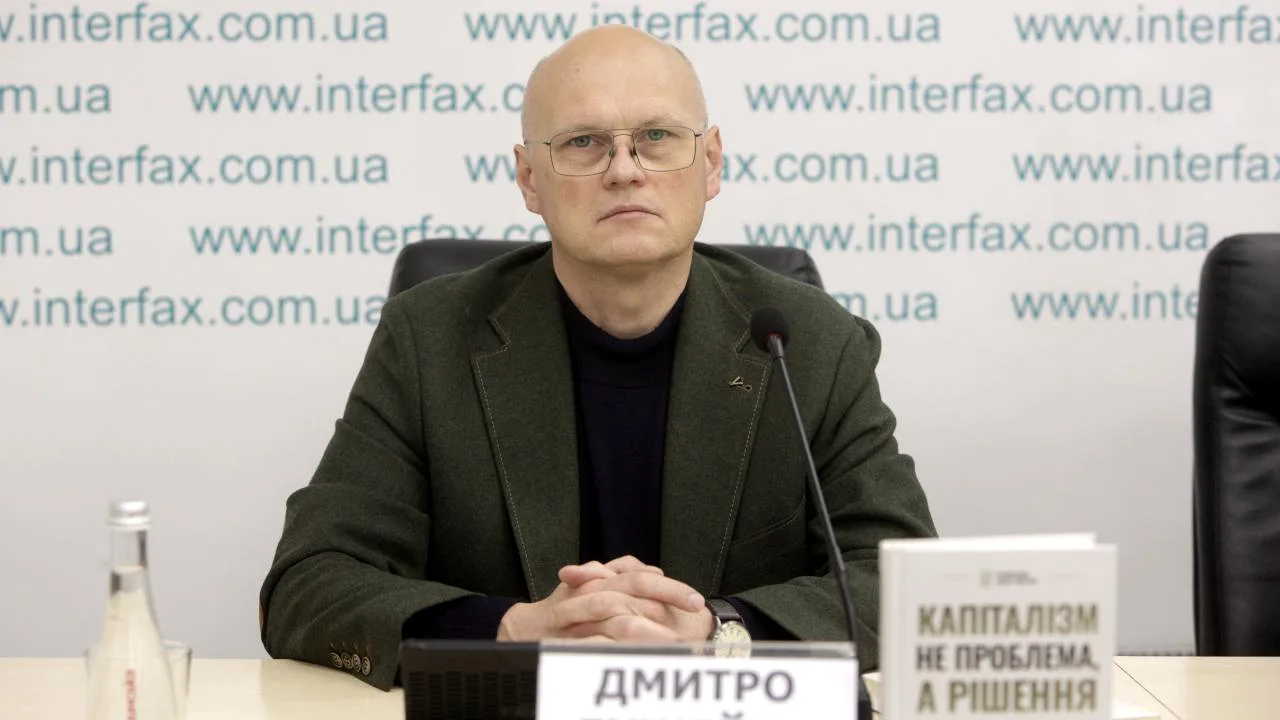
Dmytro Dusheyko, a candidate of economic sciences and an expert at the International Institute for Liberty (ILI), who served as the scientific editor of the Ukrainian edition of “Capitalism – Not the Problem, but the Solution,” emphasized that Zitelmann analyzes the history of countries that, under similar initial conditions, chose different economic models. Examples include North and South Korea, the Federal Republic of Germany and the GDR, Chile and Venezuela, and China before and after the start of market reforms in the late 1970s.
The expert drew attention to the differences in the development of West Germany after Ludwig Erhard’s reforms and the command-administrative system of the GDR. He also cited the experience of market transformations in China and Vietnam after periods of centralized planning.
“We do not have the right to win the first war for independence and lose the second war – for economic freedom. This book, using specific historical examples, shows why reforms will be crucial for the country’s development,” Dusheyko stressed.
He also noted that Zitelmann wrote a special foreword for the Ukrainian edition, emphasizing the need for economic transformations after victory in the war for independence.
Dusheyko paid special attention to the book “How Nations Overcome Poverty? Vietnam, Poland, and the Origins of Prosperity,” which is currently in the publishing process. In it, the author compares the experiences of two countries that had low income levels at the end of the 20th century but later demonstrated significant economic growth due to reforms.
The economist considered the adoption of the Wilczek law at the end of 1988 to be an important step in Poland, which introduced the principle of entrepreneurial freedom. According to the presented data, the subsequent reforms by Leszek Balcerowicz contributed to 25 years of uninterrupted economic growth in the country in the 1992–2017s. The expert also compared the results of Polish reforms with the Ukrainian experience.
“The law did not build anything; it only allowed people to engage in free entrepreneurship. War and poverty are not a sentence; they are an opportunity for reforms,” Dusheyko noted, summarizing the conclusions that, in his opinion, Ukraine can draw from the experience of these states.
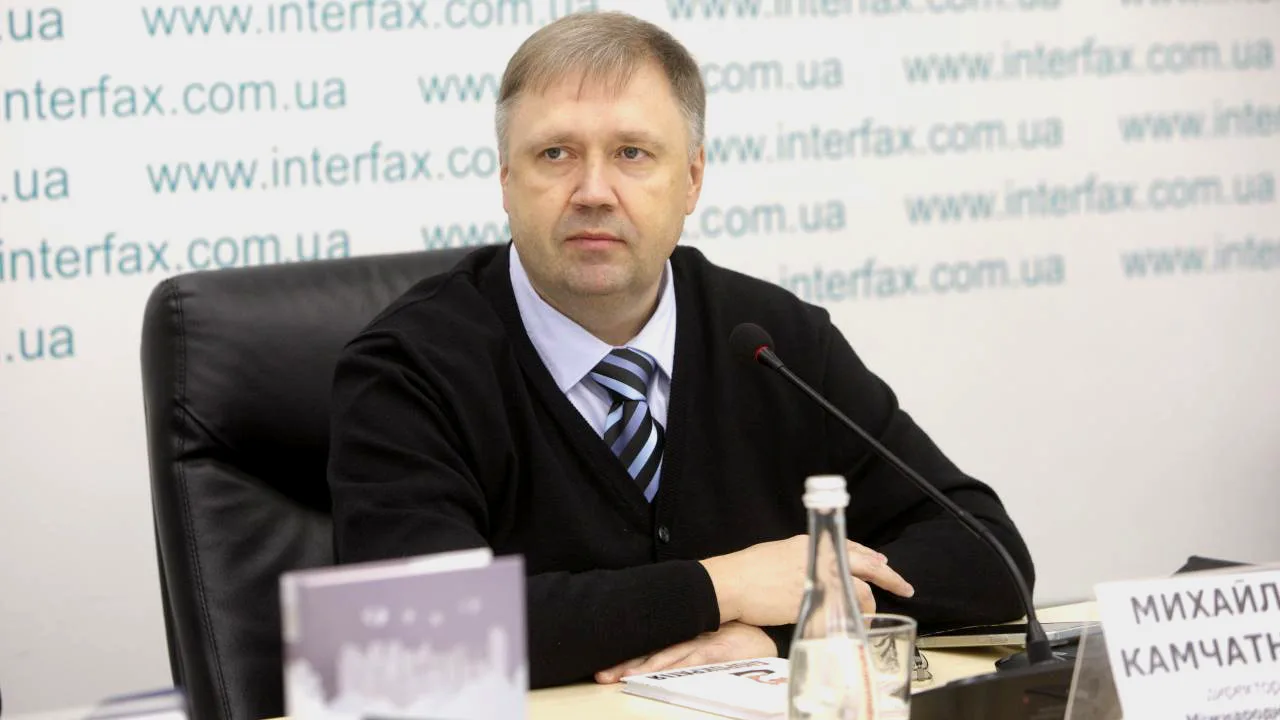
ILI Director Mykhailo Kamchatnyi presented Ludwig von Mises’ work “Bureaucracy,” first published 1944. He reminded that the renowned representative of the Austrian School of Economics was born in Lviv 1881. According to the institute director, the first Ukrainian edition of “Bureaucracy” was published in a limited print run 2021, and the current edition is the second; the scientific editor and translator of the book is Mykola Bunyk.
Kamchatnyi explained that Mises distinguishes management oriented towards profit and consumer needs from bureaucratic management, which is based on the execution of laws, procedures, and directives. In his opinion, the problem arises not from the existence of the bureaucracy itself, but when bureaucratic methods are applied to areas where market mechanisms can operate.
“Bureaucracy in itself is neither good nor bad – it is simply a method of management. The most important question is how much bureaucrats interfere in people’s lives and the economy. The main thing we need to do before starting reconstruction is to clearly delineate the functions of entrepreneurs and bureaucrats. When a former entrepreneur becomes an official, they start acting according to laws and regulations, not according to the logic of profit,” Kamchatnyi emphasized.
According to him, the effectiveness of state bodies should first be assessed by the performance of their legal functions. For example, the size of tax revenues depends on the economic situation of the region, in particular on the proximity of combat operations.
During the responses to questions, the participants also touched on the role of private business in the defense of the country. Volodymyr Popereshniuk stated that businesses can more effectively participate in the protection of critically important objects, including air defense, but the current procedures, in his opinion, remain too bureaucratized.
“This is not a private military company. We do this on a volunteer basis, and the relevant units are subordinate to the military. Companies purchase the necessary equipment at their own expense and allocate people, but they act within military subordination,” he explained, speaking about the participation of business in air defense measures.
According to the organizers, the presented publishing projects are intended to foster a discussion about the model of Ukraine’s development, the limits of state intervention, and the role of business in reconstruction.