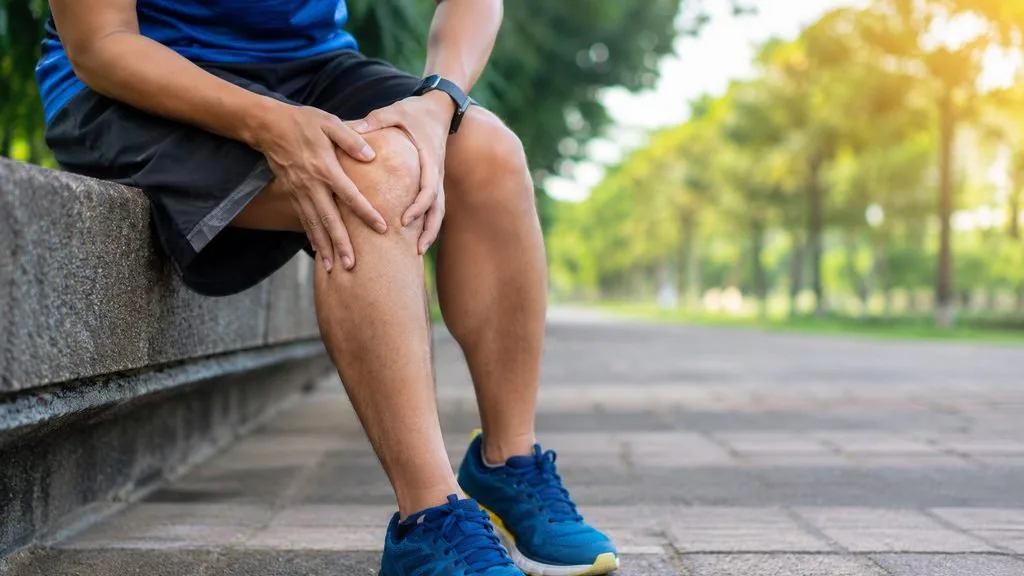
Regular walking, strength exercises, and avoiding prolonged immobility help maintain knee joint functionality and reduce the impact of factors associated with the development of osteoarthritis. Even pronounced changes on scans do not always mean that a person should give up physical activity. This is discussed in a Washington Post article.
American orthopedist Howard Laks, who specializes in knee joint diseases, considers one of the most common mistakes patients with knee pain make is excessive restriction of movement. In his opinion, a diagnosis of osteoarthritis or damage to the meniscus detected during examination does not necessarily mean irreversible deterioration of joint function.
As the expert notes, movement plays an important role in nourishing cartilage tissue. During loading and subsequent unloading of the joint, synovial fluid circulates in the cartilage, providing the necessary nutrients. Physical activity also helps maintain the muscles that stabilize the knee.
Laks recommends starting with moderate loading, for example, with a daily ten-minute walk, gradually increasing its duration to 30–60 minutes. Additionally, strength exercises should be performed to strengthen the leg muscles and support overall metabolic health.
At the same time, the doctor emphasizes that discomfort during movement does not always indicate additional joint damage. However, the nature and permissible level of loading should take into account the individual condition of the patient, the severity of symptoms, and the recommendations of the treating specialist.
The article also notes that osteoarthritis should not be viewed solely as a result of mechanical wear and tear of the joints or aging. The condition of the knees can be influenced by metabolic disorders, such as diabetes, as well as other factors related to metabolism and inflammatory processes in the body.
In the expert's opinion, maintaining physical activity allows for a longer preservation of strength, balance, and mobility necessary for daily life. If conservative treatment methods do not provide sufficient relief of symptoms and the quality of life significantly decreases, one of the possible options is knee joint endoprosthetics.
Thus, the main principle of preventing functional deterioration of the knee condition lies in regular physical exertion and strengthening the muscles, rather than completely avoiding exertion at the first signs of pain. In the case of severe pain, swelling, or a sharp decrease in mobility, medical assessment is necessary before increasing physical activity.