On July 4, the USA celebrates the 250th anniversary of the adoption of the Declaration of Independence, the key document that began the formation of the American state. Central events take place in Washington, where the anniversary is combined with the traditional Independence Day and the federal America250/Freedom 250 program.
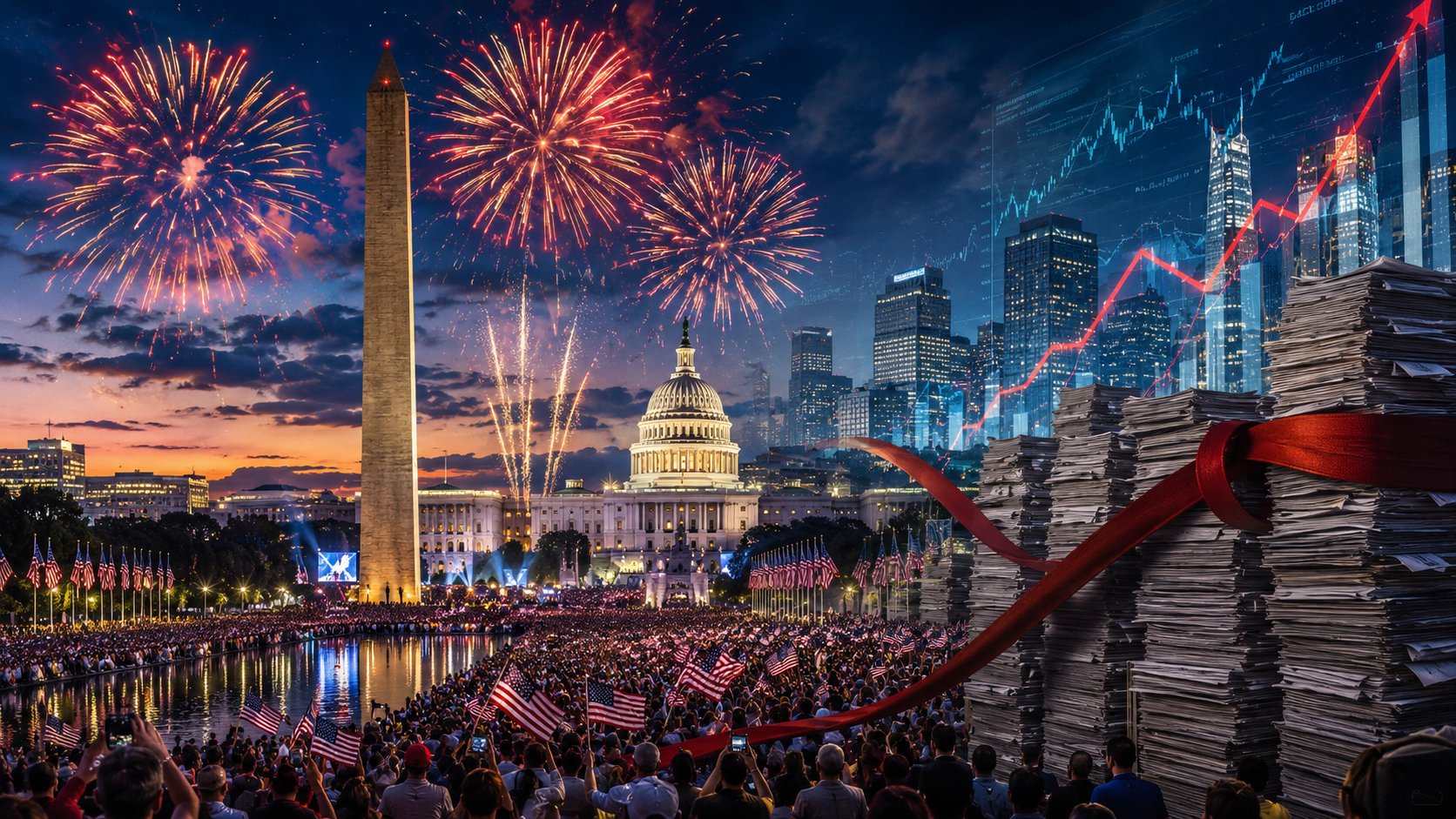
The main site of the celebration was the National Mall in Washington. According to the Freedom 250 program, the Great American State Fair, FIFA Fan Zone, aviation demonstrations and flights over the center of the capital, an evening concert program, a speech by US President Donald Trump and a large fireworks display are scheduled during the day. The organizers said that the fireworks show should be the biggest in history and start at 22:30 local time.
The anniversary is not without adjustments. Because of the extreme heat in Washington, organizers postponed some of the activities to a later time, increased cooling stations, water stations and medical support. The national Independence Day parade, which was supposed to take place on July 4, was canceled due to a severe heat warning.
Events are taking place in other US cities. The Associated Press notes that the celebration includes fireworks, concerts and public ceremonies in Washington, New York, Chicago, Los Angeles and other cities, while the anniversary takes place against the background of political polarization and debates about the country's future. America retains first place in terms of nominal GDP, military spending, financial market depth, the role of the dollar, and the energy base, but at the same time it enters its jubilee year with nearly $39.4 trillion in debt. For the global economy, this means that the United States remains the main center of power, but its fiscal sustainability is becoming one of the key risks of the next decade," noted Maxim Urakin, founder of the Experts Club think tank.
Historically, Independence Day is associated with the decision of 13 American colonies to sever political ties with Great Britain. The Declaration of Independence was adopted by the Continental Congress on July 4, 1776. The formal international legal recognition of the independence of the USA by Great Britain took place later - according to the Treaty of Paris in 1783, which ended the War of Independence.
Today, the USA remains a federal presidential republic consisting of 50 states and the federal District of Columbia. The population of the country, according to the IMF, is about 343 million people, and the nominal GDP in 2026 is estimated at about $32.38 trillion, which retains the status of the world's largest economy in current prices after the United States.
The US also maintains several global first positions. According to SIPRI, the country remains the largest military spender in the world: in 2025, US spending amounted to $954 billion, or about a third of global military spending. According to the EIA, in 2025, the United States set a new record for oil production — 13.6 million barrels per day, remaining the largest oil producer. The US dollar, according to IMF COFER, accounted for 57.13% of the distributed world currency reserves in the first quarter of 2026, remaining the world's main reserve currency.
The American financial market also remains the largest center of global capital. According to the World Federation of Exchanges, only the two largest American stock exchanges — Nasdaq and NYSE — each had tens of trillions of dollars in domestic market capitalization at the end of 2025, far ahead of most global platforms.
The main weakness of the United States in the anniversary year is the national debt. According to the US Treasury, as of July 2, 2026, the total federal debt was $39.375 trillion, of which $31.679 trillion was debt held by public holders.
The Congressional Budget Office projects that the federal deficit in fiscal year 2026 will be $1.9 trillion, or 5.8% of GDP. Debt held by public holders, CBO estimates, will reach 101% of GDP by the end of 2026 and rise to 120% of GDP by 2036.
Thus, the US enters its 250th anniversary as a country with a unique combination of global leadership and domestic imbalances. The American economy remains the largest in the world, the dollar is the key currency of the international system, and the capital market is the main source of liquidity. But the scale of the debt and chronic budget deficits are increasingly becoming a factor that US investors, allies and competitors take into account no less than the country's technological, military and financial power.